Healthcare NLP Summit Innovations From AI Healthcare Conferences
NLP is changing the healthcare sector at an alarming rate. It may seem that medical professionals produce unstructured data in large quantities daily in the form of clinical notes, discharge reports, diagnostic reports, and communication with patients. The process of unlocking the insights of this data was always a complex and time-consuming process. Modern AI-based NLP Summit systems are enabling the analysis, interpretation, and action on this information to work well.
The summits such as the Healthcare NLP Summit provide a platform on which healthcare leaders, data scientists, researchers, and policymakers can deliberate on the latest improvements in the field. Healthcare NLP Summit presents application of NLP, regulatory concerns and technological innovations that are changing clinical practice and patient care.
The Growing Importance of NLP in Healthcare
Healthcare systems produce huge amounts of textual data. Contactless clinical information can be found in the electronic health records (EHRs), pathology reports, and physician notes. Nevertheless, a larger portion of this information is not fully used due to the fact that it is stored in unstructured forms.
Experts at the healthcare NLP Summit point out that NLP seals this lapse through transforming the unstructured text into structured, actionable data. The AI algorithms are able to extract symptoms, diagnoses, medications and treatment plans in the medical documents. This will improve clinical decision-making and ease of administration.
Personalization of care is also enhanced by the capability to analyze patient stories. The text analysis of patient concerns can be useful in improving the customization of treatment by clinicians.
Clinical Documentation and Workflow Optimization
Automated clinical documentation is one of the most influential applications that have been discussed during the healthcare NLP Summit. Doctors usually use hours to fill in the documentation forms and this leaves the doctors with less time to interact with patients.
AI-based NLP can deliver real-time physician-patient conversations into transcript and structured format. These systems produce specific clinical summaries and automatically update electronic health records.
Healthcare providers decrease burnout through streamlining the documentation processes and enhancing operations efficiency. Automation based on NLP is the means of making medical records complete and available.
Enhancing Diagnostic Accuracy
The diagnostic error is a worldwide issue in healthcare. The innovations of NLP discussed in the healthcare NLP Summit can help in making early and accurate diagnosis with the help of AI.
Machine learning algorithms can use clinical notes, imaging reports, and lab results to recognize the patterns that can be related to a particular condition. Indicatively, NLP algorithms have the potential to identify high-risk patients through the identification of minuscule symptom clusters in physician notes.
These tools are decision-support systems and not substitutes of clinicians. NLP can also help improve clinical confidence and minimize the risk of overlooking information through data-driven insight.
Patient Engagement and Communication
Much attention is paid to patient engagement as one of the determinants of healthcare outcomes. NLP technologies can help healthcare organizations to analyze the feedback of patients, emails, and chatbots.
In the case studies presented at the healthcare NLP Summit, conversational AI systems help patients in making appointments, responding to medical questions, and medication reminders.
The level of patient satisfaction is also determined using sentiment analysis tools. Hospitals are able to trace common areas of concern and enhance service delivery on real-time responses. This evidence-based practice enhances relationships between patients and providers.
Research and Drug Development
NLP innovations extend beyond clinical settings into medical research and pharmaceutical development. Researchers often analyze vast databases of scientific publications and clinical trial reports.
The healthcare NLP Summit showcases AI models capable of extracting insights from millions of research documents. These instruments expedite the literature review and determine potential interaction or therapeutic opportunities with drugs.
NLP is applied to monitor adverse event reports and analyze patient-reported outcomes by pharmaceutical companies. The acceleration of data processing reduces the time spent on research and helps to innovate with evidence.
Compliance, Privacy, and Ethical Considerations
Healthcare information is very sensitive. The NLP systems that are based on AI should work under tight regulatory measures to ensure that the privacy of patients is not compromised.
The speakers at the healthcare NLP Summit underline the adherence to the world data protection guidelines. Clear policies on data governance would lead to responsible AI.
Also of significance are explainable AI models. The clinicians need to know the way in which NLP systems produce recommendations. The implementation of AI, based on ethical aspects, instills confidence in patients, healthcare professionals, and regulators.
Multilingual and Cross-Border Applications
The healthcare systems usually deal with a variety of people of different languages. Multilingual capabilities used in NLP solutions to cross linguistic barriers are available in the NLP Summit in the healthcare sector.
Artificial intelligence translation applications allow proper deciphering of patient data. This innovation will enhance access and minimize the confusion within a multicultural setting. The standardized NLP frameworks described by cross-border healthcare collaboration also facilitate the exchange of the data safely between institutions.
Integration with Emerging Technologies
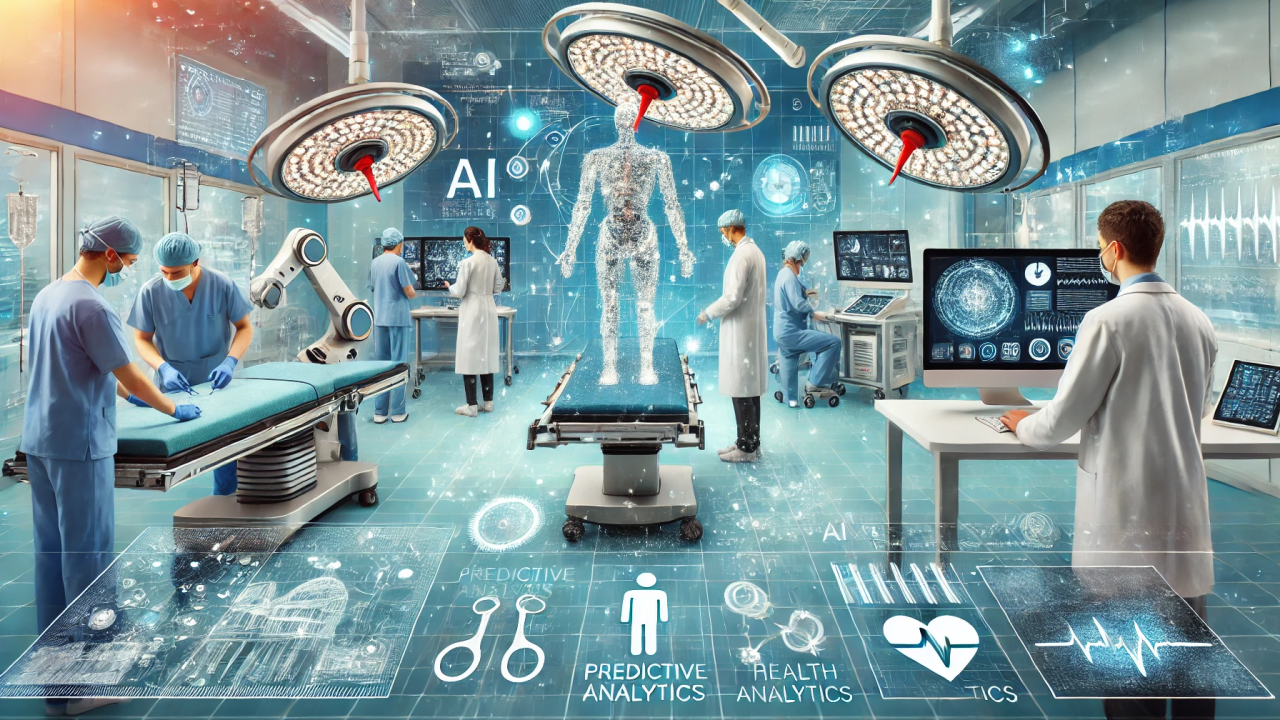
NLP is being combined with other AI-based solutions including predictive analytics and computer vision. During the healthcare NLP Summit, analysts explain how to use text analysis methods in conjunction with images to achieve diagnostic accuracy.
As an example, an AI-based system can match the results of radiology with the notes of physicians and find contradictions. This multimodal technique improves the general quality of diagnosis.
Textual data is also created by wearable devices and remote monitoring systems as a result of patient inputs. These inputs are analyzed using NLP tools in order to identify trends in health and issue early warnings.
Investment and Industry Growth
There is a growing investment made in healthcare AI. Technology providers and venture capital firms understand that NLP is a must-have in digital healthcare transformation. The healthcare NLP Summit is a networking platform of startups and existing healthcare bodies.
New firms demonstrate scalable NLP platforms that can be used by hospitals, insurance parties and research institutions. Joint ventures established on the top level increase the speed of commercialization and innovative adoption of solutions.
The Future of Healthcare NLP
The NLP in healthcare is promising in future. Text analysis is becoming more precise with the development of large language models and contextual AI. Systems are becoming smarter, and they have the ability to comprehend complex medical language and develop clinical guidelines.
During the healthcare NLP Summit, leaders hold that NLP is going to have significant integration into the healthcare infrastructure. Automated coding and predictive patient risk assessment, as well as real-time clinical decision support, will become the norms. With the further development of AI, NLP technologies are going to improve the efficiency, lower costs, as well as improve patient outcomes in global healthcare systems.
Conclusion
NLP Summit is revolutionizing healthcare; it opens up the potential of unstructured medical data. NLP advances are changing the face of healthcare delivery, including clinical documentation and diagnostics, as well as research acceleration and engagement with patients.
The NLP Summit in healthcare is an important initiative in the development of these technologies. It brings healthcare professionals, researchers in AI together with policymakers and innovators to discuss the best practices and find new solutions.
The healthcare NLP Summit underscores the role of AI in eliciting meaningful and responsible healthcare innovation by emphasizing ethical implementation, data privacy, and collaboration between disciplines. NLP will continue to be one of the basic technologies in enhancing the quality of care and operational efficiency across the healthcare systems in the world with the advent of digital transformation.