Artificial Intelligence in Medicine: Diagnosis & Research
Artificial intelligence in medicine is changing the field of medicine, enhancing the planning of treatment, medical research, and diagnosis. Using AI technologies to process extensive data related to clinical data, healthcare specialists can recognize the presence of ailments at an early stage and make more correct decisions. More and more hospitals and research centers consider AI tools as the most effective way to be as efficient as possible and enhance patient outcomes.
Machine learning and data analysis give medical personnel the chance to identify the trends in the medical images, medical history, and laboratory findings. The practice of artificial intelligence in medicine assists doctors with the insight that they might not be able to discern by conventional means without it. This is the human knowledge reinforced with AI technology, which enhances the healthcare decision-making.
Most of the major healthcare innovators such as IBM and Mayo Clinic are investing in AI-powered systems. These technologies assist in the analysis of complicated medical records and assist doctors in diagnosing patients faster and enhance treatment regimens and further the progress of the field of modern medical research.
AI in Medical Diagnosis
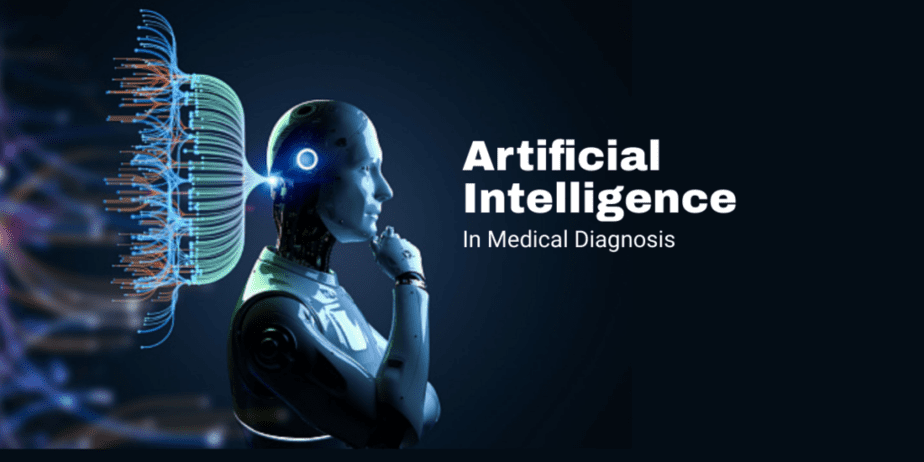
In medicine, artificial intelligence plays a crucial role in enhancing the quality of the diagnostic outcomes through the analysis of medical images and patient data in a comparatively short period of time. AI systems are able to identify the signs of such diseases as cancer, heart and neurological diseases with astonishing accuracy at an early stage. The features assist physicians in identifying health problems at an early stage, before they deteriorate.
AI-driven imaging technology is capable of analyzing X-rays, MRIs, and CTs using the deep learning algorithms. These systems indicate the presence of abnormalities and give the recommendations on the understanding of which radiologists and specialists make informed decisions regarding the treatment and medical treatment of the patient.
All hospitals across the globe are implementing AI-based diagnostic systems to minimize mistakes and enhance efficiency. Through artificial intelligence in medicine, medical practitioners will be capable of processing medical data more rapidly, assisting in clinical decision-making, and improving patient outcomes by means of early and accurate disease detection.
AI in Medical Research
Another field in which artificial intelligence is reshaping the situation is medical research, since it enables scientists to process large amounts of biomedical data within a brief period and with high accuracy. The advanced AI algorithms can facilitate the complex datasets, which include the medical history, lab results, and genomics.
The identification of the latent patterns and correlations makes AI able to help a researcher reach significant conclusions to contribute to the finding of new treatments, medical technologies and disease prevention measures. AI applications are especially applicable in the analysis of genetic and molecular data.
Machine Learning and Deep Learning are some of the technologies that researchers can use to explore genetic changes and how some genes cause diseases. This has made the researchers able to discover disease biomarkers, comprehend biological processes and develop individual treatment strategies for patients with multicomponent diseases like cancer and Alzheimer’s disease.
AI is also essential to pharmaceutical companies and research institutions to speed up drug discovery and development. Through predictive models, AI systems are able to model the interaction between chemical compounds and biological systems without the need to take the chemical compounds in prolonged laboratory tests.
This will greatly reduce the period it takes to come up with new medicines and reduce the research expenditure. Besides that AI helps to enhance clinical trials by defining the required types of patients and forecasting the possible treatment effect. Consequently, the role of artificial intelligence in the development of medical studies and enhancing the health outcomes of the world remains critical.
AI in Drug Discovery
The most promising use of artificial intelligence in medicine is drug discovery. AI is used to analyze chemical structures, biological information to find potential drug candidates, which can treat certain diseases.
The conventional model of discovering drugs takes a long time of experimentation and testing. This process can be enhanced by artificial intelligence in medicine, which can simulate the interactions between molecules and indicate which compounds will have the highest chances of success in clinical tests.
AI-driven research tools are useful to pharmaceutical firms. Through incorporation of artificial intelligence in their research processes, organizations will save on costs, enhance efficiency and deliver new treatments to patients faster.
AI-Assisted Personalized Medicine
Artificial intelligence in the medical field aids in providing tailored therapy plans by examining the data of each patient. AI systems will analyze genetics, lifestyle, and medical history to prescribe specific treatment to the unique profile of a patient.
Personalized medicine enables physicians to choose interventions that have higher chance of working with particular patients. Artificial intelligence is useful to determine the type of medication or form of treatment that may be effective based on the specific characteristics of a patient.
This practice enhances patient care and eliminates chances of unsuccessful treatments. With the ongoing development of artificial intelligence in medicine, the practice of personalized healthcare will become more widespread and accessible to healthcare systems in different countries of the world.
Challenges of AI in Healthcare
In spite of the benefits, artificial intelligence in medicine comes with challenges, which health care organizations have to overcome. The privacy of data and confidentiality of patients are among the primary issues associated with sensitive medical data.
The other problem is to ensure the AI systems are correct and free of any bias. The AI models are based on big data and any bias in the data can influence the accuracy of the predictions or diagnoses made by these systems.
The medical staff should also be adequately trained to be able to work with AI technologies. Artificial intelligence in medicine should be implemented in a collaboration between medical experts, data scientists and technology developers to achieve safe and responsible implementation.
Future of Artificial Intelligence in Medicine
The future of artificial intelligence in medicine is bright as the technologies are being advanced. The AI will be enhanced to make quicker diagnosis and better treatment planning and achieve higher research potential in all health facilities.
New technologies, like predictive analytics and highly developed neural networks, will enable physicians to know when a person can get into trouble before any signs of their conditions manifest. This preventive practice may be used to avoid illnesses and enhance the well-being of patients in general.
Intelligent Systems will also enhance the cooperation between smart systems and medical professionals through artificial intelligence in medicine. Human skills and high-tech analytics will enable medical facilities to provide better services, enhance the quality of research, and change the future of health in the world.
Conclusion
Medicine has been revolutionizing the artificial intelligence technology sector because it improves the accuracy in diagnosing disease, expedites research, and helps build personalized treatment plans. When AI technologies are applied, medical workers will be able to process and analyze complicated data within a limited time value and make an adequate number of effective decisions to enhance patient results.
The role of artificial intelligence in medicine will continue to increase as more hospitals and research centers adopt more advanced AI technology. These technologies will lead to the further development of the medical field, reduce the cost of medical services and have a positive impact on the quality of medical care that patients receive all over the world.
Artificial intelligence harnessed in medicine is a big move towards smarter healthcare systems. Responsible AI adoption is the way medical professionals can open up new possibilities in the field of diagnosis, research, and treatment in the contemporary healthcare environment.