AI Tech Workshops: What You’ll Learn
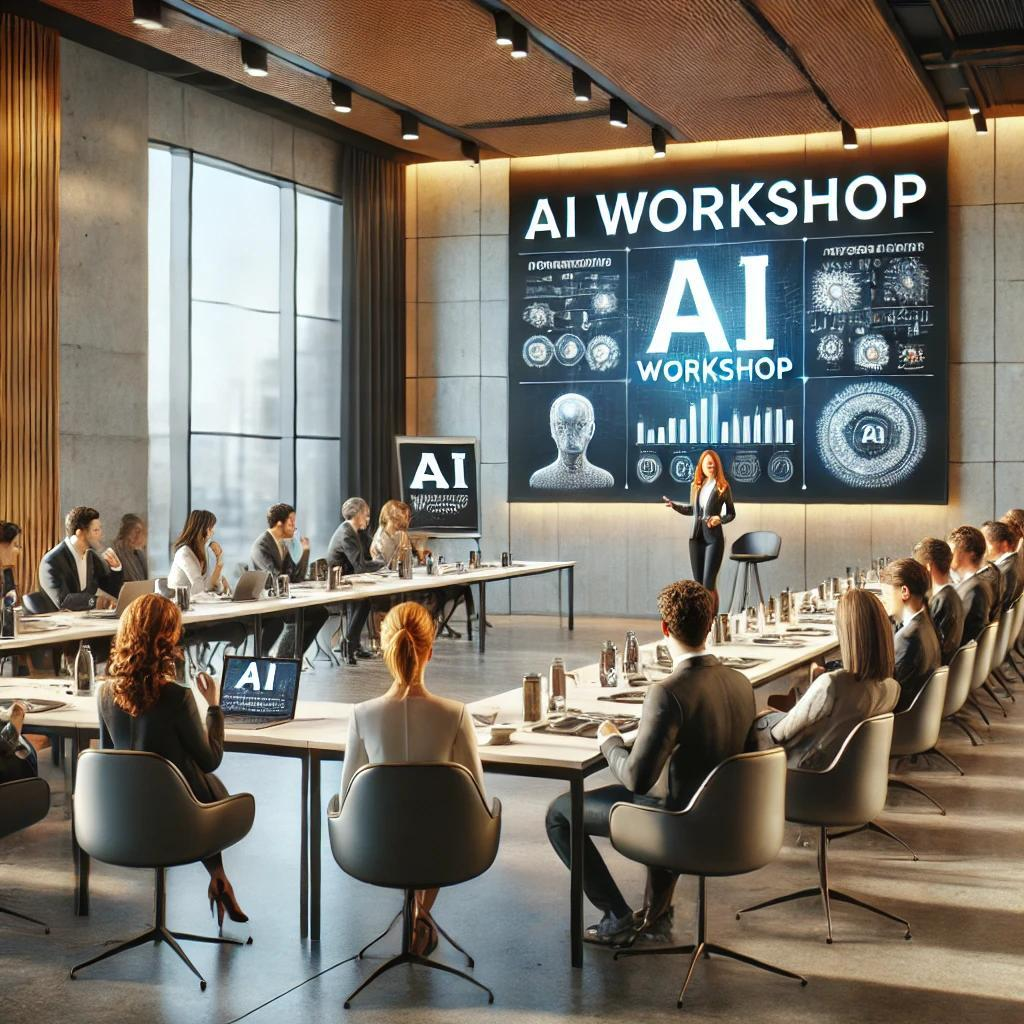
Artificial intelligence has continued to transform industries at a phenomenal rate. The application of AI is growing at an unprecedented rate as predictive analytics in healthcare, automation in manufacturing, and personalization in marketing to name just a few. Although keynote addresses and panel discussions of large events are inspirational and give a strategic direction, the actual technical change usually occurs within AI Conference Workshop. Such interactive sessions will enable the participants to go beyond theory and have some real, practical experience.
During international conferences like the AI Conference, there are workshops that are created to provide practical knowledge. As a product manager, executive, data scientist or developer, or any other type of person, you can use AI Conference Workshops, which will offer mentored learning experiences in which you can apply complex AI concepts in practice.
Hands-On Experience with AI Tools and Frameworks
The most beneficial feature of the AI Conference Workshops is direct exposure to the best AI tools and structures. Rather than passively receiving the information about machine learning libraries or cloud computing AI platforms, the participants are working with them.
Guided coding workshops are commonly offered in which people are given simple models to build, work with datasets, and compare outputs. Teachers show how to set up the environments, design processes and debug the failures. This interactive mode enables the participants to ask questions in live format and get clarification.
Practice is a great way of enhancing knowledge. By using techniques themselves, professionals are able to learn more about the behavior of algorithms and the behavior of systems upon data input. This exposure is practical enough to create confidence that goes beyond the workshop environment.
Understanding the Full AI Development Lifecycle
AI Conference Workshops often take participants through the entire life-cycle of an AI project. Most of the professionals are aware of autonomous parts of AI development, including model training or data visualization, yet they do not see the full picture.
Workshops fill this gap by discussing every stage in a systematic manner. Some of the options that participants discuss include data collection strategy, pre process methods, feature engineering, model selection, evaluation metrics, optimization techniques and deployment practices.
Through knowing the entire development pipeline, the attendees get to know how each part affects the performance in general. This unified approach can assist professionals to come up with better and sustainable AI solutions to their organizations.
Generative AI Applications and Responsible Use
Generative AI is one of the most recent changes that have happened in the last few years. AI Conference Workshops tend to include workshops on practical uses of generative models in content generation, software development, customer service, and design.
The participants are educated to learn how to adjust the models, prompt organization, and analyze the generated outputs. Workshops often have exercises where people can see the way generative AI can create repetitive work or make the process more creative.
Concurrently, teachers focus on responsible use. Some of the issues that are commonly raised when looking at a subject are ethical considerations, issues of intellectual property, the risk of misinformation, and the measure to take against bias. This temperance will make innovation responsible and dependable.
Data Management and Governance Best Practices
The quality of data and data governance are required in artificial intelligence. The best algorithms are not able to produce reliable results even when they are the most sophisticated unless they are properly managed. AI Conference Workshops spend much time on data strategy.
The participants are taught methods of cleaning datasets, working with missing values, and enhancing the accuracy of data. Workshops also teach the other compliance requirements, privacy protection, and secure storage practices.
Knowledge about the governance arrangements will guarantee that AI projects are transparent and do not contradict the law. Practical guidelines are left behind by professionals and enhance data integrity and the long-term sustainability of a company.
Industry-Specific Use Cases and Implementation
Various AI Conference Workshops are industry specific. This specific focus enables the participants to investigate applications that are of immediate importance to their workplaces.
The ways healthcare workshops can be based on predictive diagnostics or patient data analytics. Financial seminars may look into fraud detection models and risk evaluation instruments. Predictive maintenance and supply chain optimization can be prominent in manufacturing workshops.
These sessions on industries are realistic in giving case studies and strategies of implementation. The attendees will be able to get a clear understanding of how AI can respond to industry-specific issues and bring a tangible business impact.
Collaborative Learning and Peer Interaction
Workshops are social spaces in nature. The participants often collaborate in small groups to study case studies, create prototypes, or resolve technical problems.
Such an interaction promotes learning amongst peers. Different professionals possess different insights and experiences which enhance the whole learning process. A data scientist can provide technical insight, whereas a business leader can provide a strategic view.
This interaction is similar to the real-world AI projects, which usually demand cross-functional collaboration. Through the application of teamwork within a workshop, members enhance their communication and problem-solving abilities.
Learning from Experienced Practitioners
Professionals working with AI solutions in real-life situations are usually the instructors of the AI Conference Workshops. Their knowledge goes beyond what is explained in books.
They also discuss insights derived through successes in projects and failures, and provide viable tips on how to tackle challenges encountered most of the times. The participants have insight into factors on budgeting, infrastructural needs, and stakeholder management tools.
Getting the help of experts gives the attendees the opportunity to obtain personal feedback and pose specific questions with regard to their particular use cases. This mentorship aspect contributes a lot in increasing value of the workshop attendance.
Strategic Insights for Business Leaders
All of the participants in the workshop are not technical specialists. There are numerous sessions that target executives and decision-makers who must know about AI in terms of strategy.
AI Conference Workshops commonly feature a discussion of how AI initiatives can be aligned with organizational objectives, how to measure the ROI, as well as the need to create cross-functional AI teams. Leaders get to know how to assess vendors, risk management and development of implementation road maps.
Such strategic knowledge will enable organizations to go beyond experimentation and into the more organized and results-oriented adoption of AI.
Strengthening Analytical and Problem-Solving Skills
Scenario and real-life exercises are common in workshops. Respondents manipulate data, write algorithms, or debug deployment issues.
It is a problem-solving strategy that empowers critical thinking and technical flexibility. Attendees do not passively receive information, but they practically use the concepts in real life. This form of experiential learning increases the retention and the development of skills in the long term.
Conclusion
AI Tech Workshops may be regarded as one of the most influential elements of large-scale technology events. The hands-on experience, broad understanding of AI lifecycle, industry-related knowledge and exposure to responsible practices can be achieved during AI Conference Workshops.
They convert the abstract ideas into practical skills that can be applied by the professionals immediately within their organizations. Technical implementation through to strategic planning, workshops provide the individuals with the tools required to spearhead AI-driven innovation.
With AI still dominating the transformations of industries, individuals who study in interactive, applied learning settings will be in the most suitable position to contribute to sustainable growth and the significant technological development.