
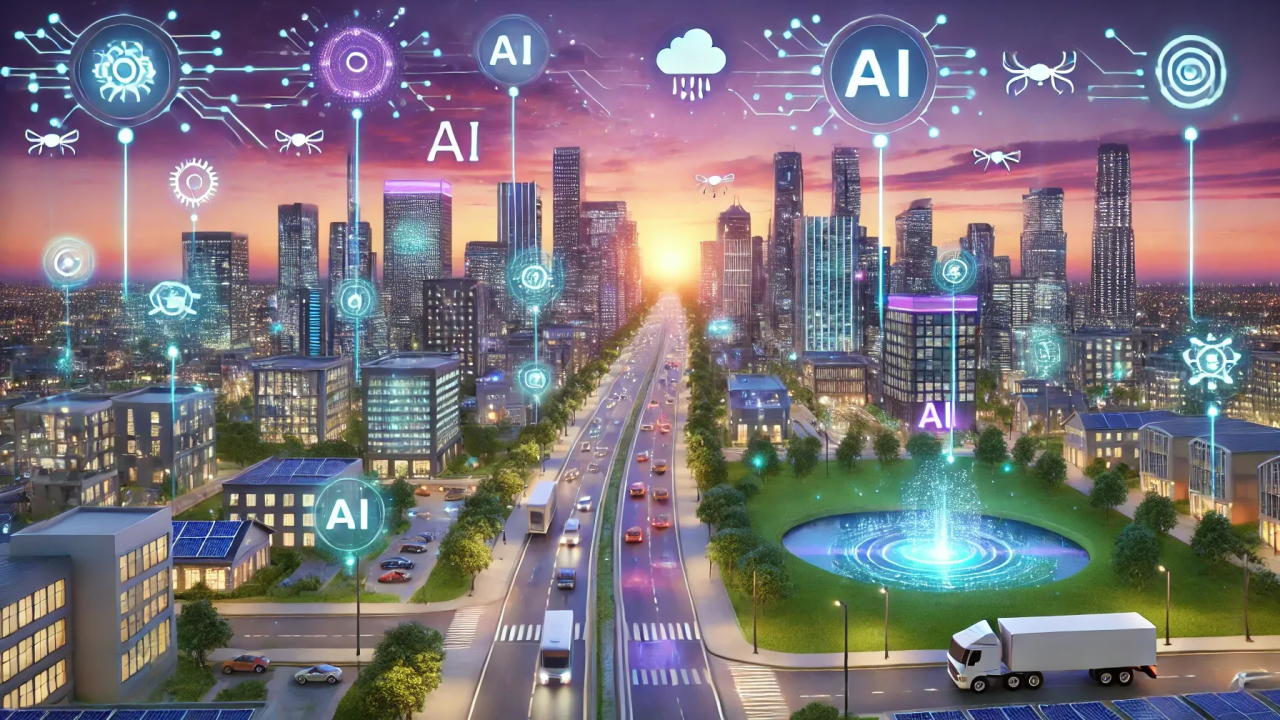
AI and Smart Cities: What the Expo Showcases
The role of artificial intelligence is transforming the way cities are operating, developing, and functioning. With rising human population in cities, the burdens on the municipalities also increase because of the complexity of their infrastructure and the need to offer efficient services, be sustainable, and remain safe to the populace. The conventional systems can no longer be used to handle the present-day urban problems. During international events like the AI in Smart Cities Conference, the leaders discuss how AI technologies can make the ecosystem of cities intelligent and responsive.
Smart cities conference is a global event where policy-makers, technology vendors, urban planners and investors can discuss practical solutions. The expo floor has generally demonstrated the integrated systems used to maximize transportation, energy consumption, services to the people and citizen participation. The implications of these developments are that AI is becoming more and more popular in the future of the cities.
Intelligent Infrastructure and Urban Planning
Another major theme in the smart cities conference is modernization of infrastructure using AI-based analytics. Cities have smart sensors that harvest large volumes of road, bridge, power grid and water data. AI models analyze this information and detect inefficiencies, predict maintenance needs and enhance long-term planning.
This is particularly true of predictive maintenance. City administrators are not responding to the breakdowns, but they can predict the infrastructure failures prior to their occurrence. AI systems detect trends that signal structural strain or equipment failure, which can help address them before they incur expenses and inconveniences.
AI simulations are also useful in urban planning. The digital models can enable the city planners to trial development strategies, traffic change-ups and the environmental policy in advance. This proactive strategy helps to make smarter decisions and a resource allocation.
Transforming Urban Mobility
AI in Smart Cities Conference regularly has transportation as one of the central topics. Some of the chronic urban ills are traffic jams, pollution, and inaccurate transport systems. AI-based mobility solutions can remove all these issues and change the systems to operate dynamically, in real-time processing the traffic flows.
Traffic lights that are adaptive are those that seek to adapt to changing volumes of vehicles to avoid bottlenecks and enhance commute times. Transport networks use predictive analytics to modify schedules depending on the demand. Such innovations are more reliable and less environmentally impactful.
The other attraction at the expo is smart parking platforms. The availability of parking space is sensed and the drivers directed in an efficient manner eliminating unnecessary circulation. This is achieved by optimization of mobility systems to enable cities to develop more sustainable and safer transportation systems.
Energy Efficiency and Sustainability
During the conference on AI in Smart Cities, the AI-driven energy grids are optimized on the basis of real-time data about the supply and demand. Algorithms enhance integration of renewable and anticipate consumption trends. Smart lighting systems can be used to regulate lighting according to activity, which makes them less expensive and yet enables sustainability and long-term environmental objectives to cities.
Public Safety and Emergency Response
The main theme at AI in Smart Cities Conference is the issue of public safety. Surveillance and video analytics based on artificial intelligence recognize suspicious activity and alert law enforcement about it real-time. Forecasting instruments enhance the emergency response and allocation of resources. Moral leadership and data confidentiality are also critical concerns of responsible city security systems.
Environmental Monitoring and Waste Management
The other important appeal at the ai in smart cities conference is AI-powered environmental monitoring systems. Sensors installed in urban regions monitor air quality, purity of water and noise levels. AI models process this information and suggest remedial actions to determine patterns of pollution.
A smart waste management platform shows the application of AI to optimize the collection routes using real-time bin capacity information. This saves fuel, decreases the level of emission and increases efficiency. When cities tackle environmental issues using data-driven solutions, they will be healthy and more resilient.
Enhancing Citizen Engagement
AI in Smart Cities Conference is one that puts the residents first. Digital governance platforms in smart cities are on display at the AI in smart cities conference that demonstrates how the AI enhances communication between the citizens and the authorities.
Chatbots (AI) are used in service requests, information, and administrating users. These systems can respond to questions and understand them correctly due to natural language processing.
The municipalities can also use the data analytics tools to detect the needs of the communities and allocate resources to them. This method promotes openness and enhances the confidence between the government and the citizens.
Data Integration and Interoperability
Interoperability is one of the crucial discussions in the AI in Smart Cities Conference. Most cities have disjointed systems that lack communication. AI platforms are also able to combine multiple data streams into a single dashboards enabling them to see the full picture of how the business operates.
Environmental metrics in combination with transportation data can be used to plan sustainably. The patterns of energy consumption may impact on the investment in infrastructure.
The displays of integrated command centers at expos illustrate how centralized monitoring contributes to optimal coordination between departments. With this connectivity, remote services become integrated urban environments.
Investment and Collaboration
The development of smart cities is associated with big investments and effective cooperation across sectors. The AI in Smart Cities Conference is a well-organized event that links startups and technology companies to the government. The public-private partnerships are fast-tracked and are less risky in terms of finance and operation.
Startups provide scalable AI applications, municipalities provide infrastructure and regulation. The smart city innovation investment trend continues to grow with the stakeholders beginning to experience long-term economic and social returns.
Ethical Governance and Data Security
In the era of becoming data-driven, information security is paramount in the city. The intelligent cities conference on cybersecurity and accountable data governance. It is necessary to protect sensitive information gathered by sensors and online platforms to ensure people have faith.
There are clear policies on how data is used, owned, and in terms of transparency that are underlined during deliberations. Careful AI solutions will make sure that technological progress is in line with social values and legal norms.
The Road Ahead for AI in Smart Cities Conference
In the future, the AI in Smart Cities Conference singles out edge computing, 5G connectivity, and digital twin technology. Digital twins assist planners in simulating changes in infrastructures and the environment with a lot of safety. Climate preparedness and disaster preparedness will be enhanced through predictive analytics. It is already changing cities with the use of AI. The future urban leadership will involve ethical governance.
Conclusion
The AI in Smart Cities Conference indicates the way AI is transforming life in cities. AI technologies combine multidimensional problems with a precision based on data whether it concerns optimization of transportation and energy efficiency, serving citizens and community or guaranteeing their security.
These international shows focus on jointly working, investment, and sustainable execution. Through the appropriate use of AI, cities may increase their operational efficiency, achieve a more sustainable state, and improve the quality of life of the residents.
Since the volume of urban space is only going to increase, the experiences acquired at the conference of the AI in Smart Cities Conference will be important in developing smarter, safer, and more sustainable cities in the future.